Weapon Guide
Glaive of Temperance
Glaive of Temperance is a technical melee-reach weapon for players who want deliberate spacing, controlled commitment, and pressure without playing like a basic close-range weapon.
Last reviewed: June 29, 2026
Quick Answer
Pick Glaive of Temperance when you want melee pressure that rewards spacing, timing, and clean exits more than pure speed.
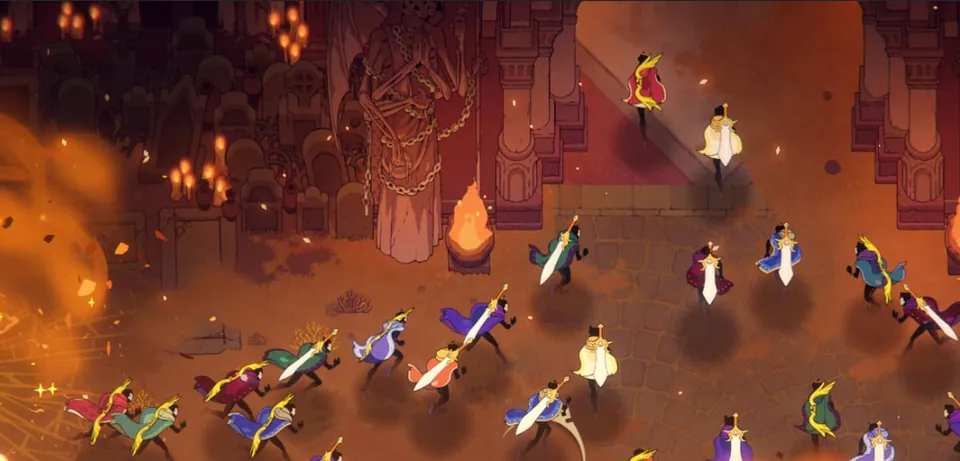
Glaive of Temperance Role Summary
Glaive of Temperance is best understood as Technical melee reach. Its value comes from the job it lets you perform in crowded 33-player fights: [object Object] This makes the weapon useful when your current problem matches its spacing, timing, and team contribution.
Do not choose Glaive of Temperance only because it appears in a recommendation list. Choose it when you can explain what problem it solves for your run: safer learning, steadier pressure, better group setup, or a role you can repeat without collapsing under boss pressure.
| Item | Current Note |
|---|---|
| Role | Technical melee reach |
| Range / position | Melee reach |
| Beginner fit | Medium |
| Team value | Reach-based melee pressure |
| Unlock context | 50 Eternal Shards at Dark Woods Weapon Shrine |
| Co-op Power context | Aftershock |
- Item
- Role
- Current Note
- Technical melee reach
- Item
- Range / position
- Current Note
- Melee reach
- Item
- Beginner fit
- Current Note
- Medium
- Item
- Team value
- Current Note
- Reach-based melee pressure
- Item
- Unlock context
- Current Note
- 50 Eternal Shards at Dark Woods Weapon Shrine
- Item
- Co-op Power context
- Current Note
- Aftershock
Who Should Pick Glaive of Temperance
The cleanest fit is this: Players who want melee commitment but prefer spacing and timing over pure speed. If that describes your current runs, this weapon gives you a clearer plan than swapping between weapons after every bad attempt.
| Decision Point | Practical Read |
|---|---|
| Best fit | Players who like melee commitment but prefer measured spacing and timing over fast close-range aggression. |
| Team job | Apply reach-based pressure while leaving movement lanes and retreat space for allies in crowded fights. |
| When to skip it | Skip it if you often overcommit, ignore retreat timing, or need a simpler melee rhythm while learning enemy tells. |
- Decision Point
- Best fit
- Practical Read
- Players who like melee commitment but prefer measured spacing and timing over fast close-range aggression.
- Decision Point
- Team job
- Practical Read
- Apply reach-based pressure while leaving movement lanes and retreat space for allies in crowded fights.
- Decision Point
- When to skip it
- Practical Read
- Skip it if you often overcommit, ignore retreat timing, or need a simpler melee rhythm while learning enemy tells.
How to Play the Role
Start with the weapon's rhythm before optimizing relics or perks. A good Glaive of Temperance run is built from repeatable choices: where you stand, when you commit, when you reset, and how your group benefits from the pressure you create.
| Decision Point | Practical Read |
|---|---|
| Positioning | Use reach to pressure from deliberate angles instead of standing directly inside every close-range threat. |
| Commitment window | Attack only when the exit is visible; committed reach pressure is strong only when you can reset afterward. |
| Team awareness | Avoid sweeping your movement through revive paths or forcing allies to dodge around your bad position. |
- Decision Point
- Positioning
- Practical Read
- Use reach to pressure from deliberate angles instead of standing directly inside every close-range threat.
- Decision Point
- Commitment window
- Practical Read
- Attack only when the exit is visible; committed reach pressure is strong only when you can reset afterward.
- Decision Point
- Team awareness
- Practical Read
- Avoid sweeping your movement through revive paths or forcing allies to dodge around your bad position.
Commitment Window Guide
Glaive of Temperance is about measured reach, not constant melee aggression. The weapon improves when each commitment has a planned exit.
| Decision Point | Practical Read |
|---|---|
| Enter | Use reach from a deliberate angle where you can punish without standing in the center of the next threat. |
| Hold | Stay only while the enemy pattern remains readable and your retreat path is still open. |
| Leave | Exit before the next danger window, even if the last hit looked tempting. |
- Decision Point
- Enter
- Practical Read
- Use reach from a deliberate angle where you can punish without standing in the center of the next threat.
- Decision Point
- Hold
- Practical Read
- Stay only while the enemy pattern remains readable and your retreat path is still open.
- Decision Point
- Leave
- Practical Read
- Exit before the next danger window, even if the last hit looked tempting.
Build Direction
The practical build direction is Reach control, deliberate melee pressure, and positioning-focused play.. Use relics and perks to reinforce that job instead of forcing a fragile damage plan that does not match the weapon's natural role.
| Decision Point | Practical Read |
|---|---|
| Relic direction | Honor-style stability and pressure-focused paths can both fit, depending on whether your problem is survival or uptime. |
| Perk priority | Support spacing discipline and survival before turning the weapon into a fragile damage plan. |
| Boss value | Glaive of Temperance helps boss fights when you can commit, punish, and leave before the next danger window. |
- Decision Point
- Relic direction
- Practical Read
- Honor-style stability and pressure-focused paths can both fit, depending on whether your problem is survival or uptime.
- Decision Point
- Perk priority
- Practical Read
- Support spacing discipline and survival before turning the weapon into a fragile damage plan.
- Decision Point
- Boss value
- Practical Read
- Glaive of Temperance helps boss fights when you can commit, punish, and leave before the next danger window.
Common Mistakes
- Using reach as an excuse to overstay after a commitment window closes.
- Building for payoff before learning clean exits.
- Playing like a fast melee weapon instead of respecting the weapon’s deliberate rhythm.
Upgrade and Source Notes
Current structured data tracks these upgrade or source notes for Glaive of Temperance: One Motion. Treat patch-sensitive values as review items and use the source list at the bottom of this page when checking whether a detail changed after an update.
Keep Reading
Related Pages
FAQ
Frequently Asked Questions
Is Glaive of Temperance good for beginners?
Glaive of Temperance has a beginner fit rating of Medium. The right choice depends on whether its role solves your current problem: Players who want melee commitment but prefer spacing and timing over pure speed.
What build direction fits Glaive of Temperance?
Reach control, deliberate melee pressure, and positioning-focused play.
What should I avoid with Glaive of Temperance?
Committed attacks require better spacing and retreat discipline.
Sources
Source Notes
Last reviewed: June 29, 2026